Trail cameras, artificial intelligence, and a vigilant feeder – a development log
Over the past two days, Bowhunter Moments has come a long way under the hood. I feel it’s worth sharing what happened – because it nicely illustrates how technology can serve nature and game management without taking away the essence: the silence of the forest and the thrill of waiting at the stand.
Live from the forest – connecting the trail cameras
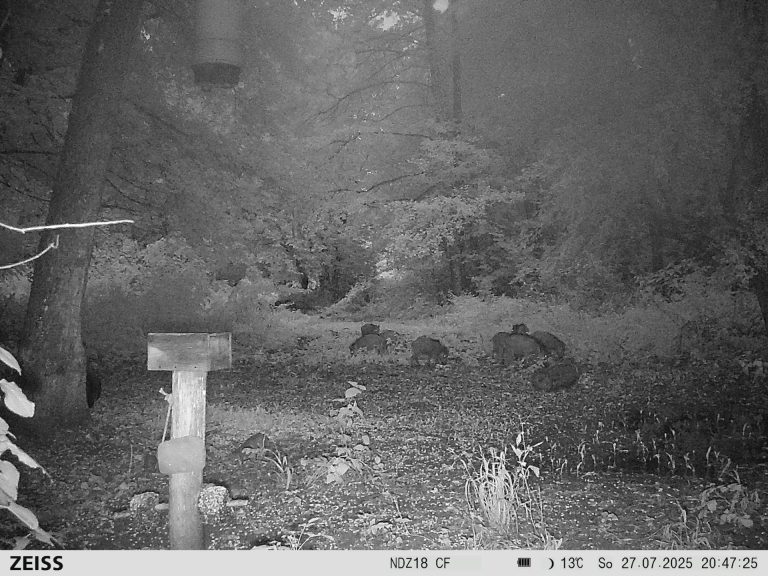
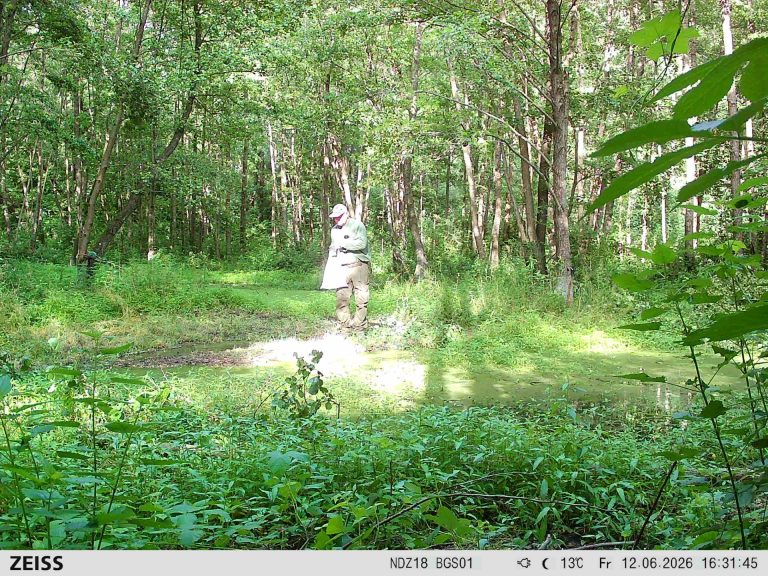
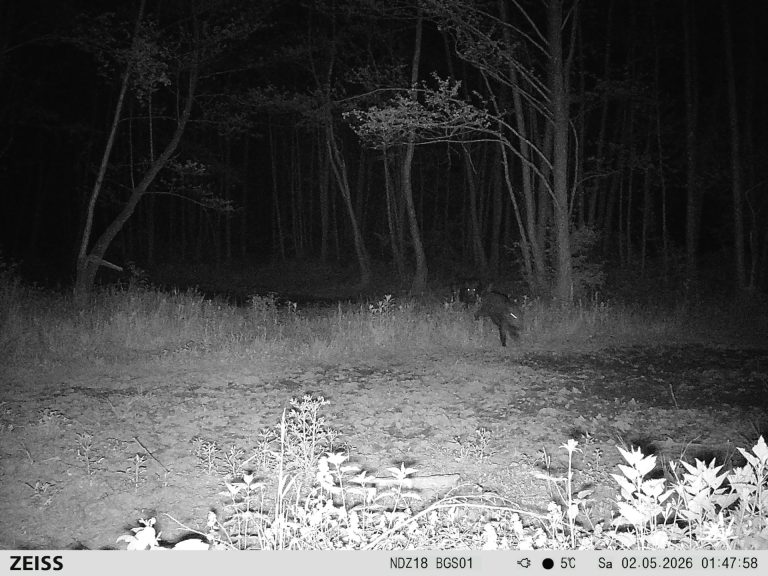
From now on, the images from the trail cameras on my grounds appear on the site automatically, without any manual intervention. I no longer have to sort and upload them one by one: the system checks several times a day whether there is a new capture, and the latest moments make their way into the gallery on their own. This lets visitors glimpse the hidden life of the forest almost in real time.
Responsible data handling – protecting the game above all
For me it is a matter of principle that no shared image should reveal an exact location. That is why we took particular care that location (GPS) data from the camera captures never becomes public. The peace of the game and its habitat matters more than any spectacle – a beautiful photo is never worth risking the safety of the population.
Artificial intelligence behind the images
Incoming captures are classified by object recognition backed by several artificial intelligences: the system recognises the game – be it red deer, roe deer, wild boar, badger, or a more rarely seen predator – and keeps mainly these genuine, meaningful moments.
Wind-stirred, “empty” frames no longer clutter the gallery; what makes it onto the site is truly worth a look.
The vigilant feeder – what I’m most proud of
This part is closest to my heart, because it solves one of the everyday concerns of game management.
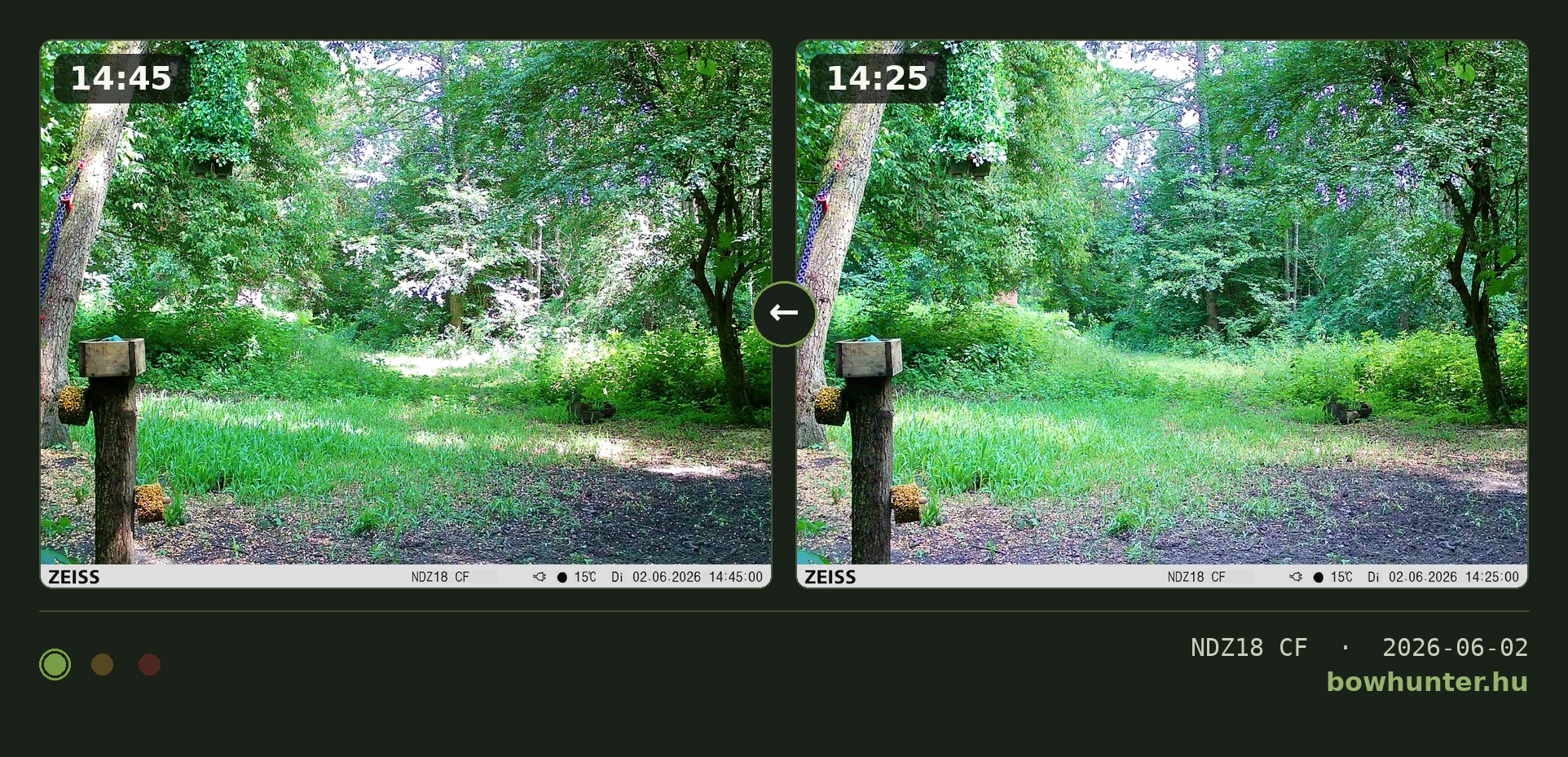
The camera set up at my automatic feeder takes two reference photos every day – one right before and one right after scattering.
The system compares the two using image analysis and determines whether it actually dispensed the day’s ration of corn.
A simple, three-level indicator shows the result: active, weak, or missed scatter.
This way I can tell from home right away if something is wrong – a dead battery or an empty hopper, say – and I don’t have to make an unnecessary trip to check.
So the camera now watches not only the game, but the equipment’s operation as well.
Gratitude
I’ll admit it honestly: I could not have done all this on my own.
I received extraordinary help from Anthropic’s artificial intelligence, the large language model called Claude.
Combining my own knowledge of the terrain and my hunting experience with the model’s technical expertise, in just a few days we created something that would previously have taken weeks or months of development work.
What amazed me most was this: it did not work instead of me, but with me – our two kinds of knowledge together produced something new.
I hope visitors will find as much joy in the result as I found in creating it.
The forest is still the same – I am just bringing it a little closer to everyone.